

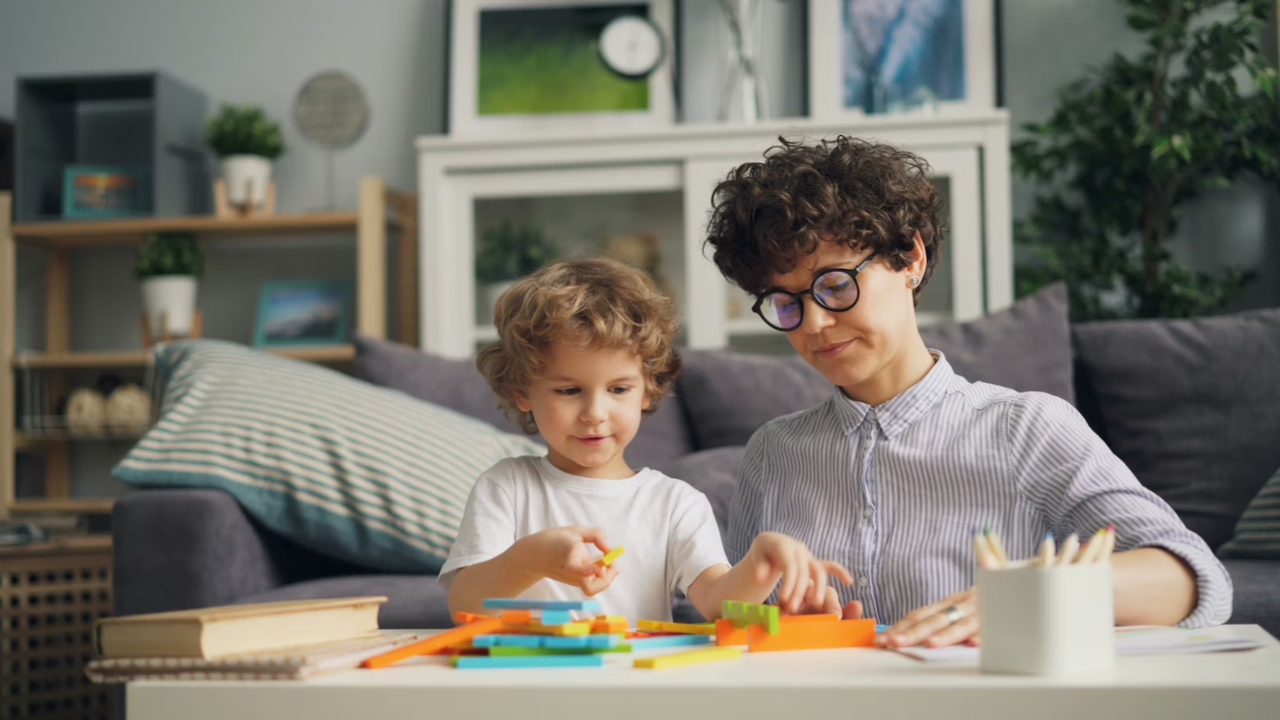
Children reach speech or language milestones at different rates, but certain patterns may suggest extra support is needed. For example, a child who is not babbling by 12 months, has not started using single words by 15–16 months, or struggles to combine words by age two may be experiencing delays that could benefit from professional guidance. These early signs do not automatically mean a child will have long-term difficulties, but they are important indicators for parents to monitor and discuss with a specialist.
Therapy can provide a structured environment where children practice communication in ways that are engaging and developmentally appropriate. Through fun activities, games, and guided interactions, children gradually strengthen articulation, expand vocabulary, and develop confidence in expressing their thoughts and needs. In this process, speech and language therapy for kids helps identify each child’s unique strengths and challenges, allowing the therapist to design a plan tailored specifically to them. Parents play an essential role by observing sessions, practicing techniques at home, and providing consistent support, which reinforces learning and accelerates progress in both speech and social communication skills.
Recognize Developmental Red Flags
It’s important for parents to observe behaviors such as responding to their name, using gestures like pointing or waving, and following simple directions. A lack of these skills may signal a communication delay. Children who struggle to interact socially, take turns in conversation, or understand simple instructions often benefit from early intervention.
Detecting these red flags early allows families to act before challenges become more difficult to address, giving children a better chance for steady improvement.
Early Intervention Benefits
Starting therapy between 12 and 18 months can significantly improve outcomes. The brain is especially adaptable in these early years, making it easier for children to learn and retain new communication skills. Early intervention helps children develop a strong foundation for social interaction, school readiness, and confidence in expressing themselves.
Therapy at this stage also provides parents with techniques to integrate language practice naturally into everyday activities, like mealtime, play, and bedtime routines.
Initial Evaluation: Tailored Goals for Each Child
A speech-language pathologist conducts a detailed assessment of a child’s receptive and expressive language, speech sound production, and social communication. This evaluation includes observing interactions, reviewing developmental history, and performing a brief physical assessment.
Based on the results, the therapist develops a personalized plan targeting the child’s specific challenges. Goals may include correct pronunciation of sounds, expanding vocabulary, improving sentence structure, or enhancing social communication. These goals are flexible and adjust as the child progresses.
How Hand Strength Supports Communication
Fine motor skills are an essential part of a child’s overall development and play a key role in how they interact with their surroundings. Everyday activities, from pointing to show interest, turning the pages of a book, stacking blocks, or manipulating toys, all rely on hand strength, finger dexterity, and coordination. When these skills are not fully developed, children may find certain tasks frustrating or struggle to participate fully in learning and play activities.
Occupational therapy provides targeted support to help children build these foundational motor skills. Through guided exercises and playful activities, children gradually improve their hand and finger control, develop a stronger grip, and gain better coordination. These improvements not only make daily tasks like feeding, dressing, or coloring easier, but they also support progress in communication skills. For instance, better hand control allows children to point, gesture, and use visual aids more effectively during speech practice, enhancing interaction with caregivers and peers.
Simple exercises, often integrated seamlessly into playtime, can have lasting effects. Repetitive movements such as squeezing soft objects, manipulating small toys, or practicing coordinated hand gestures strengthen the muscles needed for fine motor tasks. Over time, children gain confidence and independence, which further encourages exploration, learning, and engagement in therapy activities. By building both motor and communication skills, children can participate more fully in daily life, making learning and interaction a more enjoyable experience.
Hand Strengthening Activities from Occupational Therapy
According to Soundsory’s guide on hand strengthening activities for occupational therapy, activities like finger squeezes with a stress ball, towel wrings, and rubber band finger extensions are effective for improving grip and coordination.
These exercises are easy to integrate into daily routines and help children develop functional hand strength. Stronger hands support better participation in therapy sessions, promote independence in daily tasks, and enhance confidence when manipulating objects.
Parental Involvement and Practice at Home
Children make faster progress when parents are actively involved. Observing therapy sessions, practicing exercises, and using the same language prompts at home helps children reinforce what they learn. Even small daily interactions—like repeating sounds during play or helping with hand exercises—support steady growth in both communication and motor skills.
Open communication between parents and therapists ensures that goals remain realistic, progress is monitored, and techniques are adapted as needed.
Conclusion
Early intervention in speech and language, combined with motor skill support, gives children a strong foundation for learning, social interaction, and independence. Speech and language therapy for kids addresses communication challenges, while hand-strengthening exercises from occupational therapy help children engage fully in both therapy and everyday life.
Parents who notice delays or difficulties should seek professional evaluation promptly. Consistent support, tailored activities, and active parental involvement create lasting benefits for a child’s growth and confidence.
This content is for educational purposes and does not replace professional advice from licensed speech or occupational therapy professionals.
Want to unlock greater wellness?
Listen to our friends over at the Wellness + Wisdom Podcast to unlock your best self with Dr. John Lieurance; Founder of MitoZen; creators of the ZEN Spray and Lumetol Blue™ Bars with Methylene Blue.
