

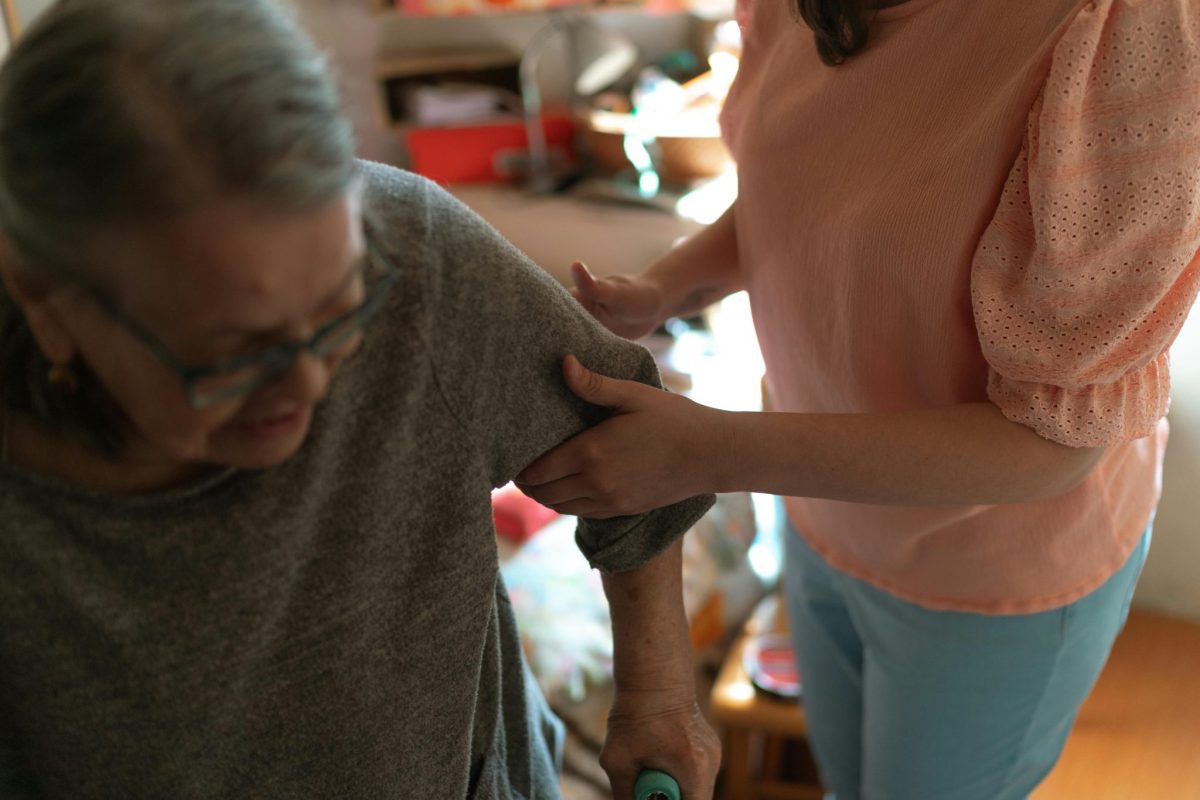
Long-term illnesses are not met according to a timetable. Things like heart failure, diabetes, COPD, or Parkinson’s are not problems that come and go over a week or two. For the person who lives with a chronic condition, day-to-day realities change, symptoms fluctuate, and decisions get made almost minute-by-minute. They are stuck with these issues for the long haul, and home is where they will manage them best. And home is truly where they want to be. The challenge is how overwhelmed and unsupported they can feel when they get there. That’s what specialized home support addresses.
The care gap that routine visits can’t close
The difference between what a clinician sees during a visit and what’s happening day-to-day can be enormous, and that’s where the friction and fear manifest. A patient with heart failure looks pretty stable in the exam room but has been sleeping sitting up for two weeks because lying flat leaves her breathless. The caregiver in the home sees that. Patients and their families have shared their struggles, their courage, and their fears with their caregiver. They haven’t said how convenient it was to see me every three months in the clinic, or to get home health aid so intermittent and specialized that it was practically useless. Instead, they’re just grateful for a kind, capable nurse who’s there each and every day with a smile.
The physical environment as a health factor
One of the most underestimated aspects of managing chronic illness at home is the home itself. For someone with mobility limitations or balance issues, an ordinary house is full of hazards. Loose rugs, poor lighting in hallways, a bathtub with no grab bars – these aren’t minor inconveniences. They’re the starting point of a fall-injury-hospitalization cycle that’s genuinely difficult to break once it begins.
Home safety assessments address this directly. A trained caregiver or care coordinator can identify these risks and either correct them or flag them for modification. This kind of proactive environmental management is part of what separates specialized home care services Philadelphia families rely on from generalized assistance. The goal is to keep a patient functional and safe between medical visits, not simply to provide company.
Nutrition fits into the same category. Managing heart failure means watching sodium intake daily, not just when a dietitian is in the room. Managing Type 2 diabetes means consistent low-glycemic meals, not occasional good choices. Caregivers who understand these requirements can help with meal preparation in a way that reinforces medical treatment rather than undercutting it.
Mental health is part of chronic disease management
Depression and anxiety are not random additional issues that coincide with serious illness. They are common comorbidities, psychological responses to living with chronic illness, and contributing factors to deterioration and crisis. A patient who is isolated and demoralized is not motivated to stick to their program or to reach out if new symptoms emerge. They’re easy to lose because they’ve already lost themselves.
In a clinical context, this is where effective home-based care proves its worth. The relationships offered by long-term care services can be the stabilizing factors that give everything else a chance to work. It’s not some magical woo-woo effect – patients who feel seen and known are patients who are more motivated to self-manage, who will more accurately report symptoms, and who are less likely to be rehospitalized.
Turning discharge instructions into daily practice
The paperwork you get when leaving a specialist’s office can be pretty heavy. A list of multiple ordered medications all have different timing requirements. Some need to be taken with food, others without. Some you can crush, and others you can’t. There’s a narrow window for this one, and you can’t miss doses of that one. There will likely be another app for tracking it all. Then there’s the whole list of things you can’t eat, the things you should try to eat more of, the activities you should avoid, the ones you should try to get more of, and more.
Professional caregivers are the stopgap here. They use their interface role to translate what all of this looks like in real life. What time of night works best for you to take this? Do you think you’ll be able to notice a difference in how you feel right away if you start taking that? Are there enough pills in the bottle for the number of days you’re supposed to take them? Is there a convenient pharmacy for you to pick up your medications on the way home from the office?
This service may not be quite as invisible as the preventive emergency care since these helpers frequently do a bit of education on what they are helping with right out in the waiting room. It’s not as unobtrusive as check-ups and tests because you have to remember to listen and pay attention in between medications and the urgency window. But it still does wonders on the readmission front.
Proactive management as the standard
The traditional approach to chronic care is often reactive: wait for a crisis to develop, treat the symptoms, and set the patient up to come back in an unending cycle. Home-based care is different. When patients are monitored in their day-to-day environment, potential exacerbations can be identified earlier and managed with less intensive interventions. Patients and their caregivers also need far less education on their condition when clinicians can see firsthand how they’re managing it every day. The doctor doesn’t need to remind a patient about their weight, diet, or exercise habits if the patient and the doctor’s care team are reminded every day by the weight scale and the patient’s weekly data report.
Want to unlock greater wellness?
Listen to our friends over at the Wellness + Wisdom Podcast to unlock your best self with Dr. John Lieurance; Founder of MitoZen; creators of the ZEN Spray and Lumetol Blue™ Bars with Methylene Blue.
